
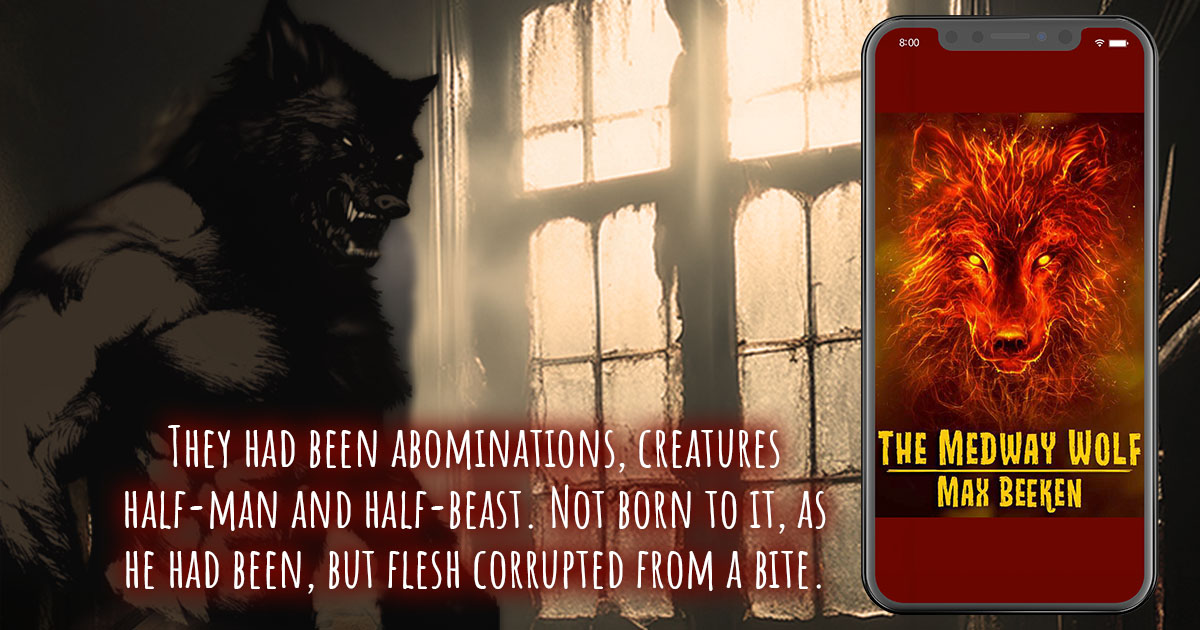
So why did I write a story about werewolves? A central part of the inspiration for The Medway Wolf came from watching a news item a few years ago, which was about unscrupulous dog breeders who keep a bitch permanently pregnant and then dump her when she can no longer produce puppies. My anger at that cruelty is central to how I came to write Angitara’s story. She began as an incidental character, but as I wrote her, she became the unexpected heroine of the story.
She began as an incidental character, but as I wrote her, she became the unexpected heroine of the story.
Also, I was pretty tired of hearing about vampires. That particular trope has become rather exhausted, in my opinion. Anne Rice had said the last word on it in her Vampire Chronicles with Lestat, Louis, and Claudia. I had no wish to scrape the bottom of the metaphorical coffin as the Twilight saga appears to have done.
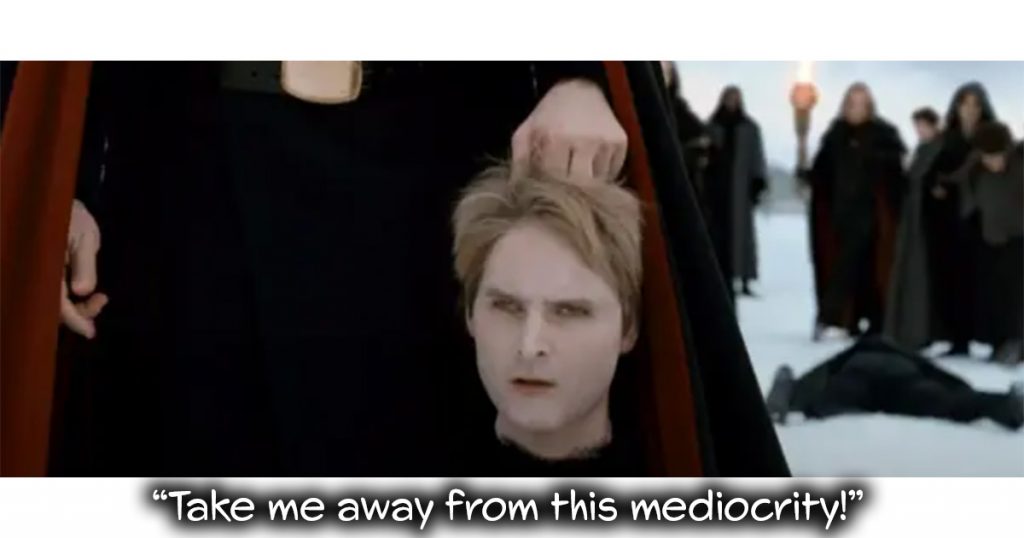
Werewolves, however, seem to offer a rich seam of ideas that I feel have yet to be fully tapped.
Werewolves On Screen
Werewolf characters have a long history on the screen, back before even Lon Chaney’s 1941 classic The Wolf Man sank slowly out of sight before emerging with a face covered in unconvincing fur and a set of fanged dentures. There are also countless examples in human folklore from almost every culture, and I have drawn, in part, on Inuit mythology to create mine.
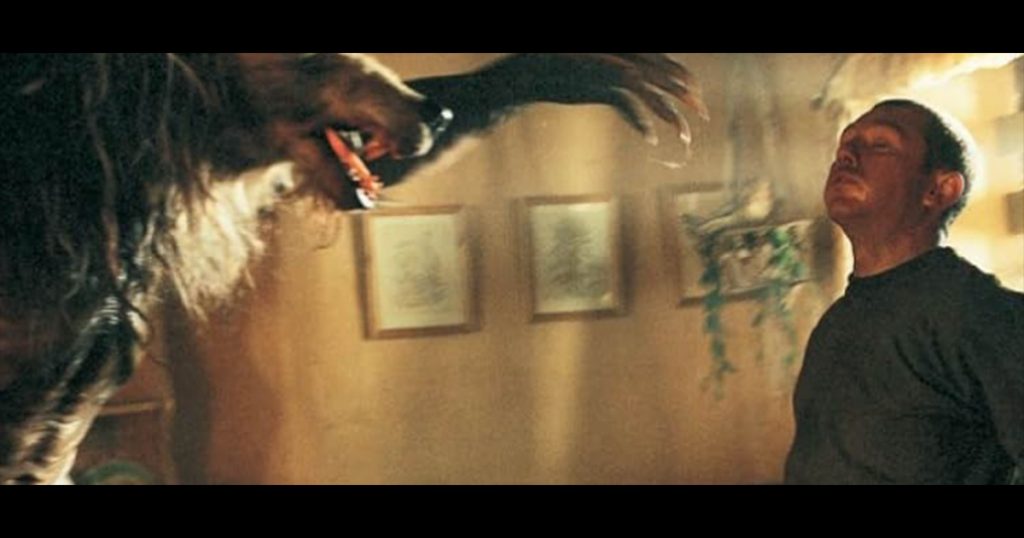
“I hope I give you the shits!”
Modern variations on the theme are also numerous. My personal favourite is from the British film Dog Soldiers, which has one of my favourite film lines ever. When about to be eaten, one of the characters says, “I hope I give you the shits!”
The idea of a creature that has a hidden nature, one that has a power within that comes out at times of stress, strikes me as something a gay man or woman would find a natural affinity for, and I know I’m not the first queer author to tackle the subject.
But there are still aspects I feel that have never been fully tackled. Vampires seem to exist outside nature, but as I wrote The Medway Wolf, I felt more and more that the creatures I was writing about, such as Aaron and Angitara, although considered supernatural, were still part of nature, living on the fringes of the world as far away from man as possible. I say, ‘as I wrote it,’ because, like most of my writing, little is planned in advance.
Ideas only emerge as my fingers hit the keyboard, and all analysis is done in retrospect!
Several other aspects of werewolf nature have struck me that I have yet to see addressed.
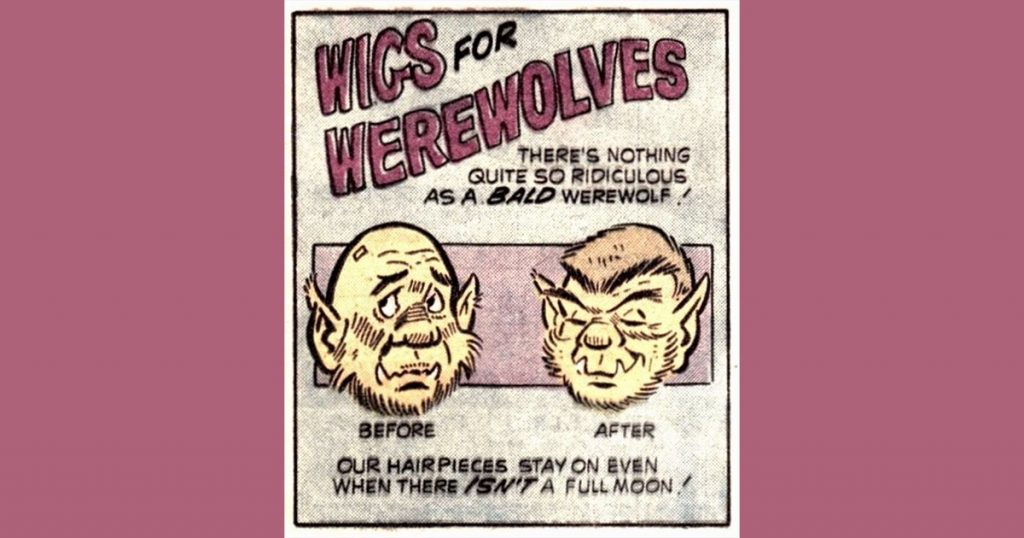
As werewolves age, do they go bald? If you were bald as a human, would you be bald as a werewolf? Would there be a market for toupees in the werewolf world?
And what about fleas? I can’t think of any furred animal that doesn’t suffer from those little buggers. One of my most abiding childhood memories is watching my mother with one of our various cats on her lap, picking out parasites from their fur, then cracking them between her thumb and forefinger.
I can’t blame Aaron for wanting to be clean-shaven.
These are trivial things, you might say, but real life is made of inconsequential things. Realistic characters are painted from millions of tiny brush strokes.
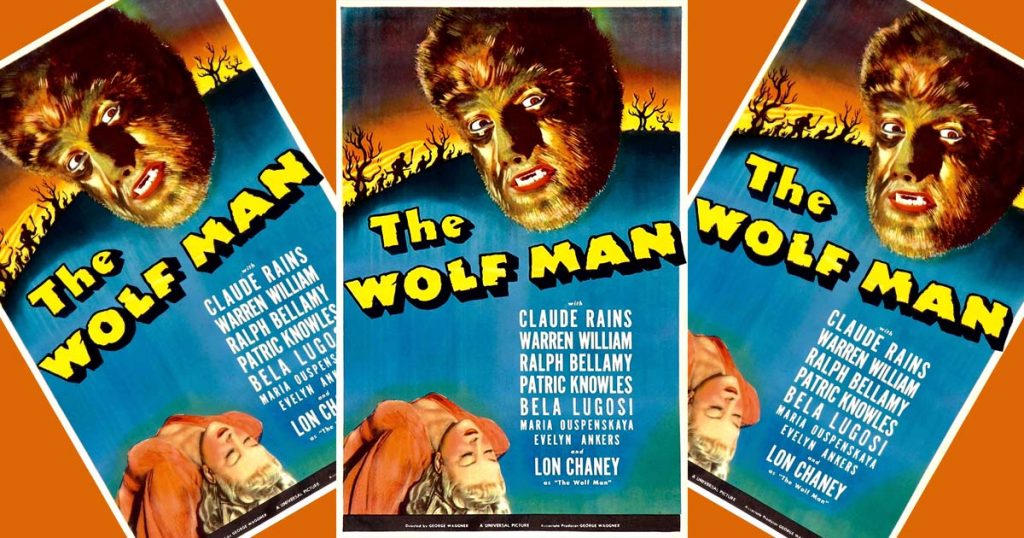
Giving thought to such things, I hope gives The Medway Wolf more believable characters than trotting out the usual clichés about silver bullets and howling at the moon like Lon Chaney.
And it’s in those small, overlooked details—cruelty and compassion, nature and survival, fear and identity—that The Medway Wolf truly takes shape, so if you’re ready to meet a werewolf who feels unsettlingly real, it’s time to step into the world of The Medway Wolf.
Leave a Reply