

I was ten when I discovered that there were two types of books. Some books were classed as “literature” and others were not. Literature seemed to be the books I was expected to read, and the latter, books that would draw a frown from friends and teachers who’d decided the title didn’t qualify for the former.
In my ninth year at Rowlett Primary School, I had a teacher who introduced me to many things I still have an interest in today: fossils, art, astronomy, and politics. (He had a painting of Chairman Mao on the wall!) I remember him discussing the Vietnam War in class. With his help, I discovered the science fiction of Ray Bradbury and others, which I read voraciously, along with new discoveries such as the Amazing Stories comics and the darker tales of Edgar Alan Poe and Lewis Carroll.
Things went downhill in my tenth year, when I gained a teacher who, rather than encouraging us to find reading material that interested us, insisted we read books more in the name of self improvement, and any criticism that we found the material boring wasn’t tolerated.
As a proficient reader, I was made chair of my reading group and remember plodding through the tiresome romance of Lorna Doone, sighing as my classmates stumbled over unfamiliar words. Once finished, our teacher refused to believe we’d really read it in such a short time, so insisted we reread the whole bloody thing again! That was one of the few times I’ve ever actually resented time spent reading. Runner-up goes to Black Beauty, which was chosen for us next. I could’ve cheerfully seen the damn nag sent off to the knackers’ yard, and I had an antipathy towards horses that lasted for years because of it. My love of reading survived this dreadful year, and by the time I moved to secondary school, the teachers didn’t impose their tastes on their unwilling charges. But what I remember most from our reading group was watching any joy in reading perish on my classmates’ faces. I recovered, but I often wonder if they did.
Apart from the reading groups, the chief feature of our English lessons was the works of Charles Dickens.
Time has mellowed my opinion of Dickens, but at the time, I found his writing ponderous, affected, full of treacly sentiment, and heavy-handed social commentary. All of which made my teacher seem to think his books were particularly suitable for children our age.
The books that most posioned my mind against Dickens was Oliver Twist, who to my mind and that of my classmates, seemed an insufferable little twerp. If he’d attended the same school as me he would have quickly been branded a “puff,” earned himself a thumping behind the bike sheds, and had his lunch money stolen. The Old Curiosity Shop was no better. I like the Oscar Wilde quote, “That only someone with a heart of stone could read the death of Little Nell without laughing.”
It took me years to recover from this aversion. I read, without prompting, A Christmas Carol, mainly because I liked the idea of a ghost story. Although even now, my interest wanes after the disappearance of Marley’s ghost.
In the sixties, film versions of Dickens’s classics were regular TV fare, and I found myself slowly seduced by Great Expectations, particularly the wonderfully gothic portrayal of Miss Havisham by Martita Hunt.
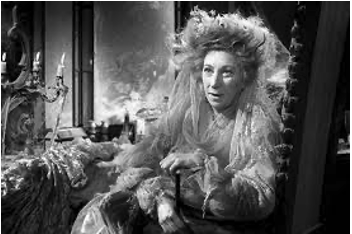
I finally realised that, dated as Dickens’s books are, he was a master storyteller, and his ability to create memorable characters is something that I aspire to.
Dickens lived not very far from where I was born in Chatham, and I used the history of the prison ships that were beached on the River Medway in The Medway Wolf, just as Dickens did in Great Expectations.
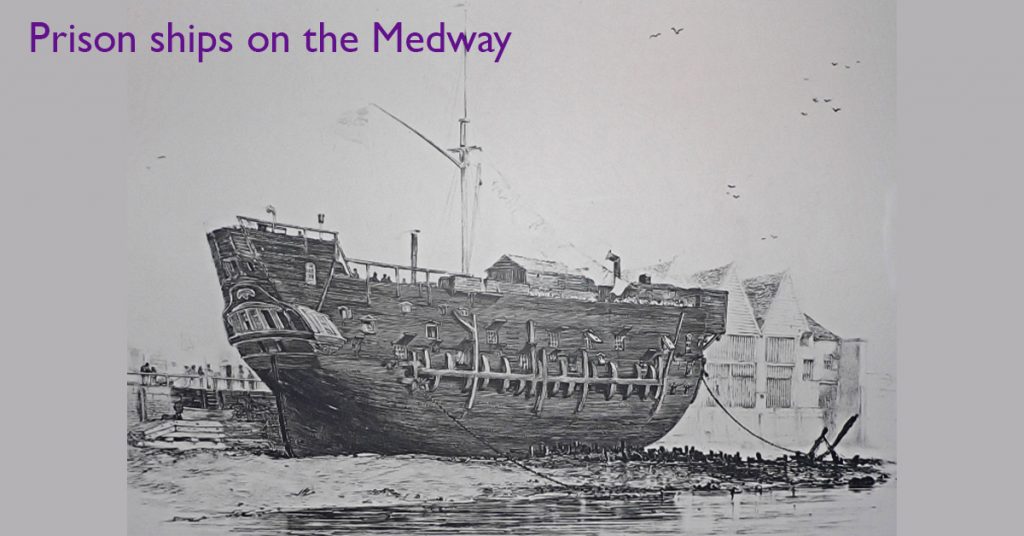
It seems such a pity that the artificial distinction between what is literature and worthy and what is not still exists. It creates a barrier that deters people from discovering great stories. If anyone asks me what I write, I declare it cheerfully as “pulp fiction.” If they turn their nose up at it, then that’s their loss. And perhaps the more helpful line was always between books that ignite a reader and books that don’t.


Leave a Reply to Harry Beeken Cancel reply